The Art of Botanical Illustration: Precision Meets Beauty
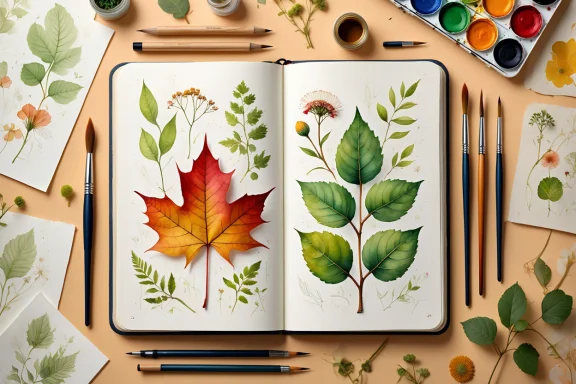
Botanical illustration is where science meets art. For centuries, artists have documented the natural world through detailed drawings of plants, serving both as scientific records and works of beauty. Today, in an age of photography and digital design, botanical illustration continues to thrive—valued for its accuracy, artistry, and meditative qualities. In Canada, with its rich biodiversity from the boreal forests to prairie wildflowers, the practice offers endless inspiration.
Why Botanical Illustration Matters
Unlike purely decorative art, botanical illustration has a dual purpose: to educate and to inspire. Each drawing must capture a plant’s scientific characteristics—leaf shape, petal structure, root system—while also conveying its elegance.
Uses include:
-
Scientific publications and field guides
-
Educational resources in botanical gardens and universities
-
Artistic exhibitions celebrating the beauty of nature
-
Personal projects combining mindfulness with observation
In Canada, institutions like the Royal Ontario Museum and Montréal Botanical Garden continue to highlight botanical illustration as both scientific resource and cultural art form.
Traditional Techniques: Rooted in Precision
The practice of botanical illustration dates back hundreds of years, with artists using pen, ink, and watercolour to achieve fine detail. These traditional tools remain essential for accuracy.
Core techniques:
-
Line drawing: Ink outlines to emphasize structure and clarity
-
Watercolour layering: Transparent washes build subtle variations in leaves and petals
-
Dry brush technique: Adds texture for veins, pollen, and fine hairs
-
Scientific accuracy: Measuring proportions carefully to ensure faithful representation
Artists often study live specimens directly, sketching from multiple angles to ensure no detail is lost. This approach trains observation skills and deepens connection to the natural world.
Modern Tools: Expanding Possibilities
Today’s botanical artists also have access to digital tools, making illustration more versatile than ever.
Modern approaches:
-
Digital tablets: Software like Procreate or Photoshop allows precise layering and editing
-
High-resolution photography: Supports detailed study when live specimens aren’t available
-
3D modelling: Creates interactive visualizations for scientific education
-
Hybrid workflows: Combining pencil sketches with digital colouring for a refined finish
Digital methods are especially valuable for large-scale projects, publication, and teaching resources. Still, many artists find traditional hand drawing more meditative and grounding.
Best Practices for Botanical Illustration
Whether you prefer watercolour or digital brushes, the foundations remain the same: patience, precision, and mindful observation.
Practical steps:
-
Choose your subject: Select a plant with interesting features—wildflowers, herbs, or native trees.
-
Observe carefully: Study structure, proportions, and unique details.
-
Sketch multiple views: Include top, side, and detail close-ups.
-
Build in layers: Start with light outlines before adding colour or shading.
-
Research background: Learn about the plant’s habitat, uses, and botanical name.
Mindful exercise: Before drawing, spend five minutes simply observing the plant’s form and texture. Notice how your perception deepens as you slow down.
The Canadian Context
Canada’s diverse ecosystems provide endless opportunities for botanical illustration. From Alberta’s alpine flowers to Ontario’s trilliums and Québec’s sugar maples, each region offers unique plant life. Documenting these species not only preserves natural beauty but also raises awareness about biodiversity and conservation.
Local communities and art groups across Canada often host botanical illustration workshops, giving artists a chance to combine scientific learning with creative expression.
Conclusion: Beauty in Detail
The art of botanical illustration is a reminder that beauty often lies in the details. By blending scientific precision with artistic sensitivity, illustrators capture the essence of plants in ways that inspire, educate, and endure. In a world that moves quickly, botanical illustration invites us to pause, observe, and reconnect with the natural world—one leaf, one petal, one careful brushstroke at a time.
Interested in exploring this timeless practice? Join a Creative Workshop at Zen Canvas Studio, where we blend traditional techniques and modern tools to help you master the art of mindful botanical illustration.