Photography as Reference: Working from Images vs Life
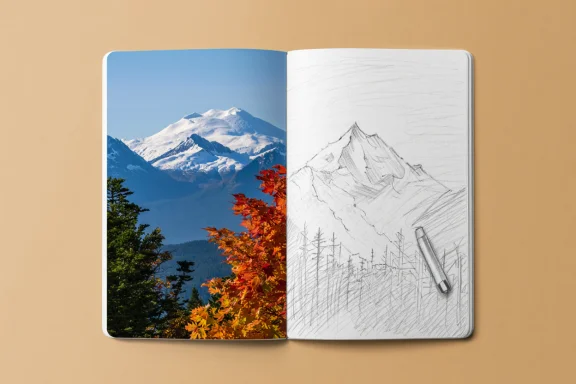
For generations, artists have turned to both life and photography for inspiration. While the plein air painters of the 19th century sought truth in direct observation, contemporary creators often rely on cameras to capture fleeting moments. But how do you balance working from photographs with the richness of drawing from life? At Zen Canvas Studio, we believe mindful choices can help artists harness the strengths of both approaches without losing authenticity.
The Benefits of Working from Photographs
Photography offers artists convenience and flexibility. In a vast country like Canada—where landscapes stretch from the Rockies to the Maritimes—photos allow you to revisit scenes that might be impossible to capture in a single sitting.
Advantages include:
-
Accessibility: You can study a subject long after the moment has passed.
-
Detail capture: Cameras preserve fine textures and subtle lighting.
-
Time management: Artists with busy schedules can work at their own pace.
-
Seasonal snapshots: Capture autumn colours in Ontario or Northern Lights in Yukon to paint later.
For many, photographs are an entry point into creating, helping artists overcome the barrier of limited access to live models or distant landscapes.
The Limitations of Photographic Reference
Despite their usefulness, photographs can create pitfalls if used uncritically. Cameras flatten perspective, distort proportions, and compress tonal ranges. Relying solely on photos can make artwork look stiff or less vibrant than reality.
Common challenges:
-
Flattened space: Depth often feels reduced compared to real-life observation.
-
Colour distortion: Lighting in photos can skew tones (a snowy Québec scene may look too grey).
-
Static poses: Life’s energy and movement may be lost when relying only on a single frame.
Remember: photographs are tools, not final truths.
The Power of Working from Life
Observing directly from life—whether sketching people in a Montréal café or painting landscapes in Banff—adds energy and authenticity to artwork. Life studies sharpen observation skills and help artists truly see rather than rely on what a camera presents.
Benefits of life drawing include:
-
Improved hand-eye coordination
-
Greater understanding of proportion and depth
-
Connection to the atmosphere and emotional resonance of the subject
-
Practice in capturing fleeting expressions and natural light
Even short observational sketches, done regularly, can transform how you interpret reference photos later.
Best Practices for Combining Both
The strongest artists often combine photographs and life observation. By weaving the two together, you gain flexibility without losing vitality.
Practical tips:
-
Start from life whenever possible: Even quick studies will give your photo-based work more accuracy.
-
Use multiple photos: Avoid copying a single frame; compare angles, lighting, and details.
-
Adjust composition: Treat photos as raw material—crop, combine, or simplify elements.
-
Cross-check with memory: Recall how the scene felt—the warmth of light, the rhythm of movement.
-
Mindful sketching practice: Pair photo studies with regular real-life sketch sessions.
Maintaining Artistic Integrity
Using photography in your process doesn’t diminish authenticity—as long as you remain intentional. The key is to avoid direct duplication and instead interpret, transform, and infuse the work with your own perspective.
Ways to protect your voice:
-
Change the composition to emphasize your vision
-
Experiment with different palettes than the photo provides
-
Incorporate mindfulness techniques, noticing your emotional response to the subject
-
Credit your photographic sources if they’re not your own images
Your art should not be about replicating pixels, but about creating a deeper expression.
Conclusion: Finding Balance
Both photography and life studies have their place in contemporary art practice. By understanding the strengths and limitations of each, you can create work that is both grounded in reality and enriched with personal interpretation. At Zen Canvas Studio, we encourage artists to use photography mindfully—as a bridge, not a crutch—toward developing a style that feels alive, authentic, and uniquely your own.
Want to refine your skills in combining photo references with life studies? Join a Creative Workshop at Zen Canvas Studio, where we explore both approaches through mindful practice and guided exercises.