Abstract Expressionism: Techniques for Emotional Release
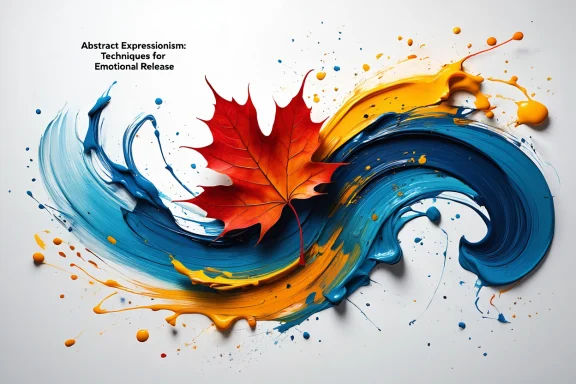
Art has always been a way to express what words cannot. Among the most powerful approaches for emotional release is Abstract Expressionism—a movement that values energy, spontaneity, and personal freedom over traditional representation. Emerging in the mid-20th century, it continues to inspire artists across the world, including here in Canada, as a means of processing emotion and creating with authenticity.
A Brief History of Abstract Expressionism
Abstract Expressionism began in New York in the 1940s, led by artists like Jackson Pollock, Mark Rothko, and Willem de Kooning. It was the first American art movement to gain international recognition, shifting the art world’s focus away from Europe.
Two main styles emerged:
-
Action Painting: Dynamic, gestural works that emphasized the process of painting itself (e.g., Pollock’s drip technique).
-
Colour Field Painting: Large, meditative canvases filled with layered blocks of colour, meant to evoke mood and contemplation (e.g., Rothko).
In Canada, Abstract Expressionism found echoes in the work of artists such as Jean-Paul Riopelle, who used thick paint and bold gestures to create landscapes of energy and emotion.
Why Abstract Expressionism Resonates Today
In a world where stress and information overload are constant, non-representational art provides a release. Abstract Expressionism isn’t about painting something recognizable—it’s about letting emotions flow directly onto the canvas.
Benefits for artists:
-
A safe outlet for processing emotions
-
Freedom from the pressure of “perfection”
-
Increased awareness of inner feelings through visual expression
-
A meditative and therapeutic practice
Techniques for Emotional Release
Abstract Expressionism encourages experimentation. The key is to focus on the process rather than the result.
Practical methods include:
-
Gestural painting: Use large, sweeping brushstrokes or even unconventional tools (sponges, sticks, or hands).
-
Drip and pour technique: Let paint flow naturally, embracing chance and movement.
-
Palette knife work: Apply thick layers of paint to create texture and intensity.
-
Layering colour fields: Choose hues that reflect your mood, applying them in large blocks or gradients.
-
Automatic drawing/painting: Create without planning—allow the subconscious to guide your hand.
Mindful exercise: Before beginning, pause for a short meditation. Focus on a single emotion—joy, frustration, longing—and let it guide your colour choices and gestures.
Avoiding Common Pitfalls
While Abstract Expressionism is freeing, it’s easy to lose focus. Without mindfulness, the work can feel random rather than intentional.
Tips to stay grounded:
-
Set an emotional intention before you start
-
Limit your palette to maintain cohesion
-
Step back often to reflect on the energy and balance of the piece
-
Remember: the process matters as much as the finished work
Contemporary Applications
Today, Abstract Expressionism thrives in studios, galleries, and therapy settings. Many Canadian art therapists incorporate its methods into workshops, helping participants process emotions through colour and movement.
In contemporary practice, artists often combine traditional approaches with new media—using digital tools, mixed materials, or large-scale installations. The essence, however, remains the same: art as a direct channel of feeling.
Conclusion: Freedom Through Expression
Abstract Expressionism reminds us that art is not just about depicting the external world—it is also about exploring the inner one. By embracing spontaneity, gesture, and emotion, artists can transform feelings into visual language. Whether you’re splashing paint across a canvas in your studio or experimenting with colour fields at a Zen Canvas workshop, the movement offers a timeless way to release, reflect, and reconnect with yourself.
Curious to explore Abstract Expressionism in your own practice? Join a Creative Workshop at Zen Canvas Studio, where we combine mindful techniques with expressive freedom to help you channel emotion into art.