Seasonal Inspiration: Painting Nature’s Changing Cycles
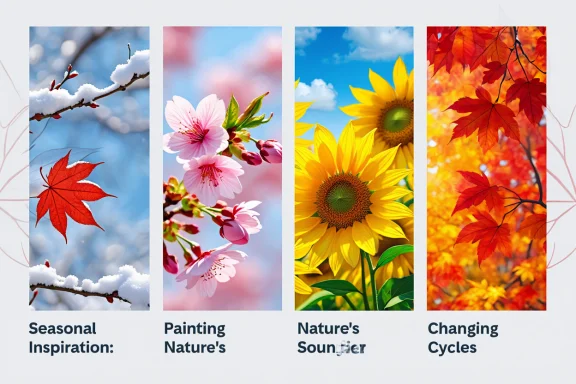
Nature’s beauty is never static. Each season brings its own colours, moods, and textures, offering artists endless inspiration. In Canada, where the cycles of winter, spring, summer, and autumn are dramatic and distinct, seasonal painting has long been a way to capture the rhythm of life and the shifting spirit of the landscape.
For mindful artists, observing these transitions is more than just a technical exercise—it’s a meditative way to connect with time, place, and self.
Why Paint the Seasons?
Painting seasonal changes allows artists to explore diversity in colour, composition, and emotion.
Benefits include:
-
Developing versatility through varied subjects
-
Training observation skills as nature shifts subtly day by day
-
Connecting with cultural traditions tied to seasonal cycles (e.g., maple syrup season in Québec, fall harvest festivals in Ontario)
-
Infusing artwork with emotion and memory tied to time of year
Every season carries a unique visual and emotional language, waiting to be translated onto canvas.
Winter: Stillness and Contrast
Canadian winters are iconic—snow-covered fields, frozen lakes, and crisp northern skies.
Colour palette: whites, cool blues, silvers, soft greys, with touches of warm accents like deep reds or amber light.
Brushwork: broad, smooth strokes to capture snow expanses; dry brush for frosty textures.
Techniques:
-
Layer subtle blues and purples into shadows for depth.
-
Use negative space to highlight stark contrasts.
-
Capture the reflective glow of winter sunlight, especially at dawn or dusk.
Spring: Renewal and Awakening
Spring symbolizes growth and freshness, from the first crocuses in Alberta to cherry blossoms in Vancouver.
Colour palette: soft greens, pastel pinks, light yellows, and fresh blues.
Brushwork: light, upward strokes to suggest budding plants and new energy.
Techniques:
-
Emphasize delicate textures with thin, translucent layers.
-
Focus on small details—sprouting leaves, rain droplets, blossoms.
-
Capture the feeling of movement: melting ice, flowing water, breezes.
Summer: Energy and Abundance
Summer landscapes are full of vibrancy—sunlit forests, golden prairies, and endless lakeshores.
Colour palette: bright greens, warm yellows, saturated blues, deep purples.
Brushwork: bold, confident strokes; thick layering for fullness.
Techniques:
-
Capture dramatic skies with wide strokes and rich hues.
-
Use high contrast to reflect the intensity of sunlight.
-
Explore plein air painting to connect directly with outdoor energy.
Autumn: Warmth and Transformation
Autumn in Canada is legendary—maple forests ablaze with colour, harvest fields, and golden light.
Colour palette: fiery reds, burnt oranges, ochres, deep browns, muted greens.
Brushwork: layered, textured strokes to reflect richness and decay.
Techniques:
-
Blend warm tones for depth in foliage.
-
Experiment with palette knives to suggest crisp leaves.
-
Use atmospheric effects—misty mornings, golden sunsets—for mood.
Tips for Capturing Seasonal Transitions
-
Observe daily: Keep a sketch journal through each season to notice gradual shifts.
-
Photograph references: Especially useful when weather changes quickly.
-
Limit palettes: Work with 3–5 colours that define each season for consistency.
-
Mindful painting: Before starting, take a few breaths outdoors, noticing the air, light, and feeling of the season.
Conclusion: Painting the Rhythm of Time
Painting nature’s cycles is both an artistic and mindful journey. From winter’s stillness to summer’s energy, each season offers lessons in observation, patience, and creativity. In Canada, where seasonal transitions are dramatic and often celebrated, embracing this rhythm deepens both artistic practice and personal connection to the natural world.
When you paint the seasons, you’re not just capturing scenery—you’re painting time itself.
Ready to explore seasonal inspiration in your art? Join a Creative Workshop at Zen Canvas Studio, where we guide artists in capturing Canada’s changing landscapes with mindful brushwork and seasonal palettes.