The Psychology Behind Decision-Making: How Emotions Drive Choices
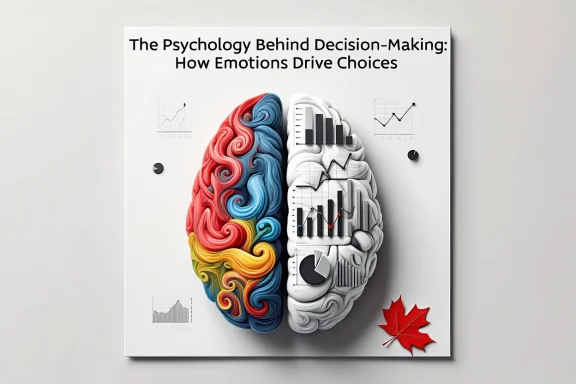
Every day we make hundreds of decisions—some small, like choosing what to eat, and others life-changing, like starting a new career or investing in a home. While we like to believe these choices are based on logic, psychology shows otherwise: emotions play a powerful role in shaping our decisions.
Understanding the psychology behind decision-making can help us recognize when feelings guide us too strongly—and how to balance emotion with rational thought.
Why Emotions Matter in Decision-Making
Emotions act as shortcuts, helping us respond quickly in complex situations. Fear might stop us from risky investments; excitement may encourage us to pursue new opportunities. Neurological studies reveal that without emotional input, decision-making slows or even stalls.
Canadian example: Think of buying property in Toronto or Vancouver. Rising housing prices trigger both fear (of missing out) and anxiety (of financial strain). These emotions often influence choices more strongly than spreadsheets of numbers.
Key roles of emotions:
-
Signal importance (what matters most to us)
-
Motivate action (urgency, desire, or avoidance)
-
Bias judgment (clouding objectivity with feelings)
Common Emotional Biases
Recognizing bias is the first step to making clearer choices.
-
Loss aversion: We fear losing more than we value gaining. Example: holding onto an underperforming stock in hopes it rebounds.
-
Overconfidence: Believing we know more than we do. Example: assuming we can predict hockey playoff outcomes better than experts.
-
Confirmation bias: Seeking evidence that supports our existing beliefs. Example: ignoring critical reviews when we already want to buy a product.
-
Recency bias: Giving more weight to recent events. Example: overestimating risk after a recent downturn in the market.
These biases are natural but can lead to poor decisions if unchecked.
Methods to Minimize Emotional Bias
While we can’t eliminate emotions, we can create systems to balance them with logic.
1. Pause Before Acting
Take a breath or wait 24 hours before making important choices. This simple step reduces impulsive, emotion-driven decisions.
2. Use Decision Frameworks
Apply structured tools such as pros-and-cons lists, cost-benefit analysis, or decision trees. By externalizing thoughts, emotions lose some of their control.
3. Seek External Perspectives
Discuss with mentors, colleagues, or friends. In Canada, where diverse cultural perspectives are readily available, this often provides more balanced viewpoints.
4. Practice Mindfulness
Meditation and reflection help identify emotions as they arise, creating distance between feeling and action. Example: noticing anxiety when pricing artwork, but still choosing based on fair market research.
5. Rely on Data When Possible
In business, sports, or art sales, numbers provide grounding. Combining analytics with intuition creates more reliable outcomes.
Rationality and Emotion in Balance
It’s important to note that emotions are not “bad.” They add depth and humanity to decisions, reminding us what we value most. The goal is not to remove emotions, but to prevent them from overriding rational judgment.
Practical approach:
-
Let emotions highlight what feels important.
-
Use rational methods to test whether those feelings align with reality.
-
Decide with both head and heart.
Everyday Applications
-
In art: Choosing subject matter based on emotional resonance but pricing based on market research.
-
In sports: A coach feeling excitement about a player but still reviewing performance data.
-
In personal finance: Balancing the joy of travel with the rational need to save for retirement.
By applying awareness, Canadians can make decisions that are both authentic and sustainable.
Conclusion: A Mindful Approach to Choice
The psychology of decision-making shows us that emotions are powerful drivers of our choices. By recognizing common biases and applying mindful, structured methods, we can find balance between feeling and reason. This approach not only leads to smarter outcomes but also ensures decisions reflect both logic and personal values.
Interested in learning more about balancing emotion and reason? Explore our Resources & Insights at Zen Canvas Studio, where we share strategies for creativity, mindfulness, and decision-making in everyday life.