The Science of Creativity: How Your Brain Generates Ideas
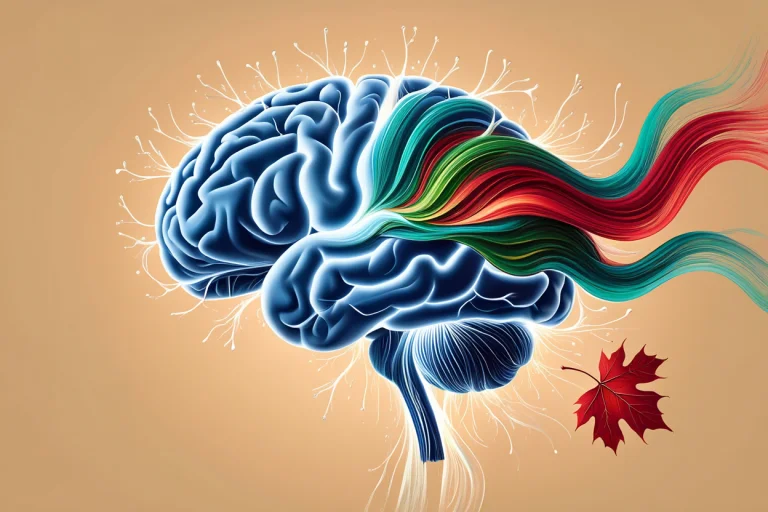
Where do ideas come from? For centuries, creativity was seen as a mysterious spark—something magical, unexplainable, and unique to a few gifted individuals. But recent neurological research shows that creativity is not a random gift; it’s a process rooted in the brain. The good news? Like any skill, it can be cultivated.
For Canadian artists, entrepreneurs, and innovators, understanding how the brain generates ideas can help unlock greater potential—not only in art but also in problem-solving and everyday life.
How the Creative Brain Works
Creativity does not come from a single “creative centre” in the brain. Instead, it emerges from the interaction of multiple networks:
-
Default Mode Network (DMN): Active when the mind wanders—daydreaming, brainstorming, or imagining possibilities.
-
Executive Control Network (ECN): Manages focus and evaluates whether ideas are practical or relevant.
-
Salience Network: Acts as a switch, deciding which thoughts from the DMN are worth passing on to the ECN.
Together, these networks form a cycle: ideas surface, are tested, and either discarded or developed further. This is why both free thinking and discipline are necessary for innovation.
The Role of the Subconscious
Many breakthroughs occur when we’re not actively trying—walking along Vancouver’s seawall, driving through Montréal traffic, or relaxing in a yoga class. That’s because the subconscious continues processing problems in the background.
Pro tip: Give your brain space to wander. Downtime is not wasted—it’s when connections often emerge.
Practical Exercises to Boost Creativity
Creativity can be trained with simple, mindful exercises.
1. Divergent Thinking Practice
-
Choose a common object (like a paperclip).
-
List as many uses as possible within 5 minutes.
-
This builds mental flexibility and strengthens idea generation.
2. Mind Mapping
-
Start with a central theme (e.g., “landscape painting”).
-
Branch out with related ideas: colours, moods, memories, cultural references.
-
Use the map to spark fresh approaches in your work.
3. The “What If?” Game
-
Take an existing idea and ask, “What if I changed the scale, material, or context?”
-
Example: What if I painted the Rocky Mountains entirely in shades of blue?
-
This encourages experimentation and reduces fear of failure.
4. Mindful Observation
-
Spend 10 minutes focusing on a single object (a tree, a cup of tea).
-
Sketch or describe every detail you notice.
-
This trains the brain to slow down and see new possibilities in familiar things.
Creativity and Problem-Solving
Creative thinking is not limited to artists. In business, science, or education, the ability to connect seemingly unrelated ideas often leads to innovation.
Canadian example: Engineers designing eco-friendly housing in northern communities have drawn inspiration from Inuit traditions of resourcefulness and adaptation, blending cultural wisdom with modern technology.
By combining old knowledge with new insight, creativity solves real-world problems.
Common Myths About Creativity
-
Myth: Creativity is a rare talent.
-
Truth: Everyone has creative potential; it’s a trainable skill.
-
Myth: Pressure fuels better ideas.
-
Truth: Stress often blocks creativity; relaxation encourages flow.
-
Myth: Creativity is chaotic.
-
Truth: Structure (deadlines, routines) provides a framework for innovation to thrive.
Conclusion: Creativity as a Trainable Process
The science of creativity shows that ideas are not random sparks, but the result of brain networks working together. By practicing divergent thinking, allowing space for the subconscious, and integrating mindful observation, you can strengthen your creative process.
In Canada’s diverse cultural and natural landscape, inspiration surrounds us. With the right practices, you can turn that inspiration into meaningful expression and innovative solutions.
Want to explore creativity with guided support? Join a Creative Workshop at Zen Canvas Studio, where we blend mindfulness, neuroscience insights, and artistic practice to help you unlock your unique creative potential.