The Healing Power of Creative Expression: Art Therapy Benefits
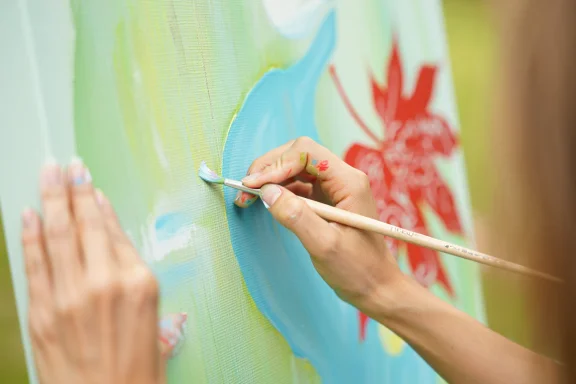
Art is often seen as a form of beauty or entertainment, but research shows it can also be a powerful tool for healing. Art therapy combines creative expression with psychological support to help people process emotions, reduce stress, and improve mental health. From professional therapy sessions to simple at-home practices, creative expression offers a path to balance and resilience.
In Canada, where conversations around mental health are becoming increasingly open, art therapy is gaining recognition as a complementary practice alongside traditional treatments.
Why Art Heals
Engaging in creative expression activates multiple areas of the brain—emotional, sensory, and motor. This integration allows people to process experiences in ways words alone often cannot.
Research-backed benefits of art therapy:
-
Stress reduction: Creative activities lower cortisol levels and promote relaxation.
-
Emotional release: Provides a safe outlet for anger, sadness, or anxiety.
-
Improved self-awareness: Helps individuals reflect on feelings and experiences.
-
Enhanced resilience: Builds coping strategies for dealing with trauma or change.
-
Social connection: Group art therapy fosters community and belonging.
For example, studies published by the American Journal of Art Therapy and supported by Canadian health institutions highlight significant improvements in mood and stress levels after just a few sessions.
Methods in Art Therapy
Art therapy isn’t about producing a perfect painting—it’s about the process. Different techniques allow people to engage at their own comfort level.
Common methods include:
-
Drawing and painting: Expressing emotions through colour, shape, and texture.
-
Collage making: Using found images to explore memories and identity.
-
Sculpture or clay work: Engaging the hands to release tension and build focus.
-
Mindful sketching: Combining meditation with repetitive, calming patterns (similar to Zentangle).
-
Journaling with art: Mixing words and images to deepen self-reflection.
These methods can be guided by certified art therapists or practiced independently at home.
Incorporating Creative Practices into Daily Life
You don’t need to be in therapy to benefit from art. Adding small creative rituals to your routine supports mental well-being.
Practical ideas:
-
Keep a sketchbook for doodles or daily reflections.
-
Set aside 15 minutes for mindful colouring or watercolour washes.
-
Use collage or journaling to process complex feelings.
-
Join a local art group in your city—many Canadian communities, from Halifax to Calgary, offer accessible programs.
Mindful practice: Before beginning, pause for a few breaths, notice your current emotions, and let them guide your choice of colour or form.
Who Can Benefit from Art Therapy?
Art therapy is widely used across ages and contexts.
-
Children: Helps with emotional regulation, especially for those experiencing trauma or learning challenges.
-
Adults: Supports stress management, grief, or recovery from burnout.
-
Seniors: Encourages memory stimulation, cognitive engagement, and joy.
-
Communities: Provides collective healing in response to shared challenges (e.g., cultural, environmental, or social issues).
In Canada, hospitals, schools, and community centres increasingly integrate art therapy programs as part of holistic mental health care.
Conclusion: Creativity as Medicine
The healing power of art lies not in masterpieces but in mindfulness, process, and self-expression. By making space for creative practices, individuals can access deeper layers of resilience, emotional clarity, and well-being.
Art therapy reminds us that healing doesn’t always come through words—it can come through colour, texture, and the quiet rhythm of brushstrokes.
Interested in experiencing the therapeutic side of art? Explore our Private Sessions at Zen Canvas Studio, where we integrate mindful art practices with wellness approaches tailored to your needs.