Finding Your Artistic Voice: Developing Personal Style
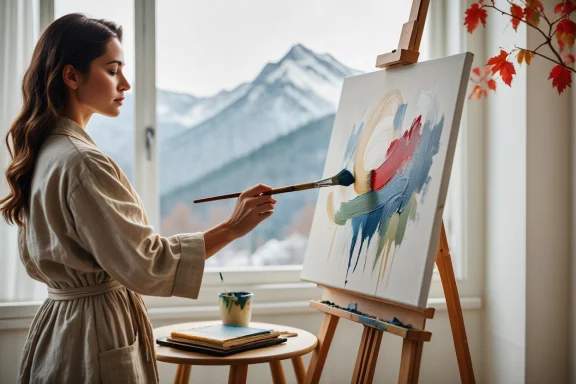
Every artist dreams of creating work that feels truly their own—art that speaks with an unmistakable voice. But finding your artistic style doesn’t happen overnight. It’s a journey of self-discovery, reflection, and practice, shaped by both inner exploration and the world around you. In Canada, with our diverse cultural landscape and breathtaking natural beauty, artists have a unique backdrop for discovering and refining their personal style.
Why Personal Style Matters
Artistic voice is more than technique—it’s the fingerprint of your creativity. It’s the blend of influences, ideas, and emotions that makes your work stand out in a gallery, on social media, or even in your own studio.
Having a personal style allows you to:
-
Express authenticity and confidence in your work
-
Build recognition among audiences and collectors
-
Deepen your connection to the creative process
-
Create a lasting artistic legacy
Think of Emily Carr’s sweeping forests or Jean-Paul Riopelle’s bold abstractions—both are instantly recognizable, not because of what they painted, but how.
Step One: Explore Without Judgment
In the early stages, it’s important to let yourself experiment. Try different mediums, techniques, and subject matters. From watercolour landscapes in Banff to abstract acrylics inspired by Montréal’s urban energy, every attempt adds a piece to your creative puzzle.
Practical tips:
-
Dedicate a sketchbook purely for experiments
-
Revisit childhood interests—sometimes your earliest passions hold the key
-
Allow “bad art” to happen; every misstep is part of the journey
Remember: exploration is not wasted time—it’s fuel for finding your voice.
Step Two: Reflect on Your Inspirations
Your personal style often grows from what inspires you. This could be Eastern art traditions, Canadian wilderness, Indigenous storytelling, or even contemporary street murals in Toronto.
Reflection exercise:
-
Make a list of five artists who move you deeply (past or present)
-
Write down why their work resonates—colour, themes, emotions?
-
Identify patterns—do you gravitate toward minimalism, bold expression, or nature-based art?
These insights help you see the threads you may want to weave into your own practice.
Step Three: Mindfulness as a Creative Tool
At Zen Canvas Studio, we emphasize mindful art creation because slowing down helps uncover authentic expression. Mindfulness allows you to connect with your emotions, observe your natural rhythms, and notice what feels true when you paint.
Simple practices:
-
Begin each session with deep breathing or a short meditation
-
Paint in silence, focusing on how each brushstroke feels
-
Journal after creating—note what flowed easily and what felt forced
Mindful reflection transforms art-making from a technical act into a journey inward.
Step Four: Set Challenges to Grow
While reflection is key, growth also requires intentional practice. Structured challenges push you out of your comfort zone and refine your style.
Exercises:
-
30-day challenge: Create one small piece each day with a consistent theme (e.g., water, city life, or colour red)
-
Limit your tools: Use only one medium or a restricted palette to force creativity
-
Reinterpret influences: Take inspiration from an artist you admire but express it in your own way
Canadian art communities often run group challenges—check out local art councils or Facebook groups in Vancouver, Ottawa, or Halifax to join collective projects.
Step Five: Embrace Your Story
Your personal history, identity, and environment all shape your artistic voice. Maybe your roots connect you to Indigenous traditions, or perhaps growing up near the Rockies inspired your love of landscapes. By leaning into your own story, your art becomes more powerful and relatable.
Practical approach:
-
Reflect on life experiences that deeply impacted you
-
Create a piece based on a personal memory or place
-
Share your process with others—storytelling deepens connection
Step Six: Be Patient with the Process
Developing personal style takes time. Just as Canada’s seasons shift gradually from winter snow to summer bloom, your voice will evolve with practice and patience. Avoid rushing to “lock in” a style. Allow it to grow with you.
Signs your voice is emerging:
-
You feel “at home” when creating a certain way
-
Others recognize similarities across your works
-
You enjoy the process more than worrying about the result
Conclusion: Your Voice is Already Within You
Finding your artistic voice isn’t about inventing something brand new—it’s about uncovering what’s been inside you all along. Through mindful practice, reflection, and steady exploration, you’ll gradually develop a style that feels natural, authentic, and uniquely yours.
Ready to start your journey of self-discovery? Join a Creative Workshop at Zen Canvas Studio in Montréal. Whether you’re beginning your path or refining your style, our mindful approach will help you uncover and strengthen your artistic voice.