The Connection Between Music and Visual Art
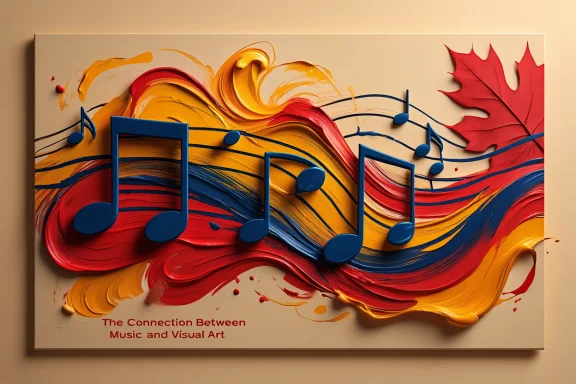
Art is often thought of in separate categories—painting, sculpture, music. Yet for centuries, creators have sought ways to bridge these forms, exploring how sound and sight interact. In contemporary practice, many artists are discovering new ways to translate musical rhythm, tone, and emotion into visual expression. In Canada, where vibrant music scenes—from Montréal jazz to Indigenous drumming traditions—meet thriving visual arts communities, this connection feels especially alive.
Synesthesia: When the Senses Intertwine
Some people experience synesthesia, a neurological condition where stimulation of one sense triggers experiences in another. A synesthete might “see” colours when hearing music or associate specific sounds with shapes. Famous artists like Wassily Kandinsky often spoke of painting as if it were a kind of visual symphony.
For those without synesthesia, cross-sensory creativity can still be cultivated. By training ourselves to pay attention to how music makes us feel, we can transform auditory sensations into shapes, colours, and textures on canvas.
Practical exercise:
-
Play a piece of music—perhaps a Bach cello suite or a Joni Mitchell ballad.
-
Close your eyes and notice what colours or forms come to mind.
-
Sketch freely, without worrying about accuracy, focusing on translating sound into line and tone.
Rhythm and Line
Music’s rhythm often finds its visual counterpart in line. Fast tempos might inspire quick, energetic strokes, while slower pieces may translate into long, flowing lines.
Example: Listening to Indigenous drum rhythms in Northern Canada might encourage bold, repeated marks, mirroring the pulse of the beat. In contrast, a classical piano sonata may inspire delicate curves and layered movements.
Artists can experiment with different tools—wide brushes, ink pens, or even unconventional materials—to echo the texture of sound.
Colour and Tone
Just as music has tonal qualities—bright, dark, warm—visual art can mirror these through colour. A jazz improvisation might suggest vibrant yellows and blues, while a meditative flute piece could evoke muted greens and greys.
Tips for practice:
-
Associate instruments with colours (e.g., violins with red, saxophones with gold).
-
Create a “sound palette” where each musical element corresponds to a pigment.
-
Layer colours as if composing chords, building harmony and contrast.
This method can be especially powerful in abstract expression, where emotion outweighs representation.
Texture and Dynamics
Dynamics in music—volume, intensity, crescendos—translate visually into texture. Thick paint applications might express the force of a crescendo, while delicate washes can reflect quiet passages.
Experiment:
-
Apply heavy palette knife strokes during a climactic section.
-
Switch to translucent glazes during softer movements.
This approach creates works that feel alive, echoing the shifts and moods of sound.
Canadian Cross-Cultural Inspirations
Canada’s cultural mosaic offers a wealth of opportunities for blending music and art. From Inuit throat singing to Métis fiddle traditions, artists can draw on local musical influences to inspire new visual languages. Festivals like Montréal’s International Jazz Festival or Vancouver’s Folk Music Festival often feature visual artists creating live alongside performers, embodying this cross-sensory exchange.
Integrating Mindfulness
At Zen Canvas Studio, we encourage artists to approach this fusion mindfully. Instead of rushing, take time to listen deeply to the music. Notice how it resonates emotionally and physically before lifting the brush. This reflective approach ensures that your art isn’t just a reaction to sound, but a thoughtful dialogue with it.
Mindful exercise:
-
Begin with five minutes of quiet listening before painting.
-
Focus on breathing in rhythm with the music.
-
Allow the sensations to guide both pace and gesture.
Conclusion: A Symphony of the Senses
The connection between music and visual art reveals that creativity need not be confined to a single sense. By exploring rhythm through line, tone through colour, and dynamics through texture, artists can transform sound into visual expression. In doing so, they expand their artistic voice and engage in a cross-sensory dialogue that is as old as art itself.
For Canadian artists, this exploration is enriched by diverse cultural traditions, reminding us that creativity is not just about what we see or hear, but about how we feel and interpret the world around us.
Want to explore the harmony of sound and sight? Join a Creative Workshop at Zen Canvas Studio, where we blend music, mindfulness, and visual art to help you expand your creative voice.