Understanding Light and Shadow in Portrait Work
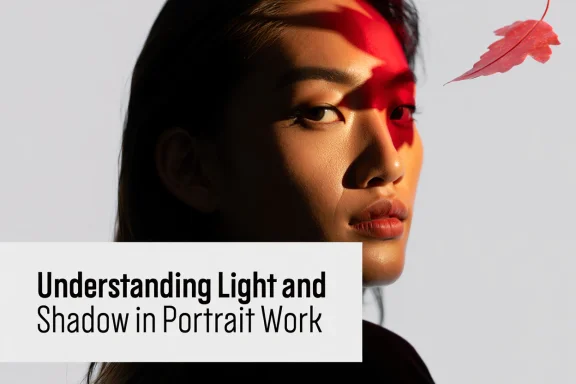
Great portraiture is not only about capturing likeness—it’s about shaping mood, depth, and emotion. Light and shadow are the invisible tools that give faces structure and presence, transforming a flat surface into a lifelike image. Whether you’re painting in a Montréal studio or sketching outdoors on a summer afternoon in Vancouver, understanding how to render realistic lighting is essential for creating compelling portraits.
Why Light and Shadow Matter
Our eyes read light before form. Subtle shadows around the eyes, highlights across the cheekbones, or a rim of light around the hairline tell the viewer about depth, texture, and atmosphere. Without careful attention to lighting, even the most accurate drawing can feel flat.
Key benefits of mastering light and shadow:
-
Adds realism and three-dimensionality
-
Directs viewer focus to key features
-
Conveys emotion through dramatic or soft lighting
-
Enhances storytelling in portraiture
The Fundamentals: Light Sources
To simplify portrait lighting, think in terms of source and direction.
Main light types:
-
Natural light: Window light offers softness and variation, especially in north-facing studios common in Canadian architecture.
-
Artificial light: Lamps, LED panels, or flashes give more control in studio settings.
Light directions:
-
Frontal lighting: Reduces shadows, creates softer and flatter effects.
-
Side lighting: Adds drama and emphasizes facial structure.
-
Back lighting: Highlights hair and outlines, creating atmosphere.
-
Top lighting: Mimics sunlight, producing strong contrasts.
Understanding how these sources and directions interact is the foundation of effective portrait work.
Studio Setup for Portrait Lighting
A studio provides the advantage of control. Even a simple home setup in Toronto or Calgary can yield professional results.
Basic studio arrangement:
-
Key light: Your main source—positioned at 45 degrees from the subject for natural shadows.
-
Fill light: Softer, secondary light to reduce harsh contrasts.
-
Background light: Adds separation between subject and backdrop.
-
Reflectors: Affordable tools (even white foam boards) to bounce light and soften shadows.
For painting or drawing, this setup helps maintain consistent lighting over long sessions.
Natural Light Considerations
Working with natural light offers beauty but requires adaptability.
Best practices:
-
North-facing windows: Provide consistent, diffused light without strong direct sunlight.
-
Golden hour: Early morning or late afternoon light adds warmth and softness.
-
Cloudy days: Clouds act as natural diffusers, creating balanced shadows.
When working outdoors, consider how Canadian seasons affect light. Winter snow reflects brightness, while summer foliage filters warm greens.
Techniques for Rendering Light and Shadow
Once you’ve set up your light source, the challenge is translating it onto the page or canvas.
Practical techniques:
-
Value scales: Practice shading from light to dark to improve tonal control.
-
Blocking in shapes: Start with large areas of light and shadow before refining details.
-
Edge control: Use sharp edges for crisp highlights and soft edges for subtle transitions.
-
Colour temperature: Remember that shadows are not just grey—cool tones often appear in shaded areas, while highlights lean warmer.
Mindful exercise: Before you begin, spend a few minutes simply observing the play of light on your subject. Notice how subtle shifts in angle change the mood and energy of the portrait.
Common Mistakes to Avoid
Even experienced artists encounter pitfalls when working with light and shadow.
-
Overblending: Too much blending can flatten features.
-
Ignoring reflected light: Light bounces off surfaces, adding colour to shadows.
-
Single-tone shadows: Shadows should have depth, not be filled with one flat shade.
-
Neglecting consistency: Shifting light sources mid-session creates confusion in form.
Conclusion: Painting with Light
Portraiture comes alive when light and shadow are treated with intention. By learning to observe carefully, set up your environment, and apply shading techniques, you transform faces into living, breathing images. In Canada, where natural light shifts dramatically with the seasons, artists have endless opportunities to explore lighting in new ways.
Mastering this balance is not about perfection—it’s about awareness. Light is your brush, shadow your ink, and together they write the story of the face before you.
Want to refine your portrait skills? Join a Creative Workshop at Zen Canvas Studio, where we explore lighting techniques in both studio and natural environments through mindful, hands-on practice.