Building Your Home Art Studio on Any Budget
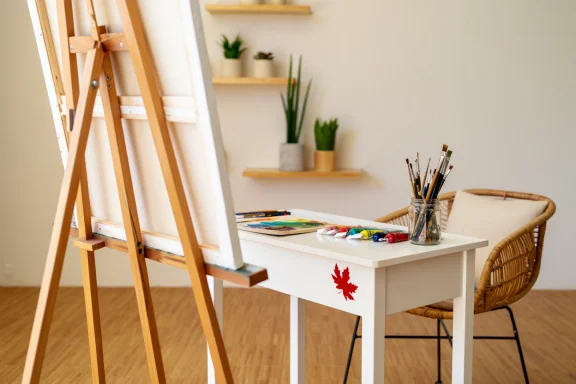
Every artist dreams of having a dedicated space to create—a personal studio where inspiration flows without interruption. But the idea of setting up an art studio at home can feel intimidating, especially if you’re on a tight budget or living in a small Canadian apartment. The truth is, with some creativity and planning, you can build a functional, inspiring workspace no matter your resources.
Why a Home Studio Matters
A home art studio is more than just a place for supplies—it’s a space that nurtures focus and creativity. Having a designated area for art helps you:
-
Maintain consistency in your creative practice
-
Keep materials organized and accessible
-
Separate creative time from everyday routines
-
Feel inspired every time you enter your space
Whether you’re a beginner picking up watercolours or a professional painter working on commissions, your studio should reflect your needs and budget.
Step One: Choosing Your Space
You don’t need a large loft or spare room to get started.
Options include:
-
Corners of living rooms or bedrooms: Use a small desk, easel, or foldable table.
-
Basements or garages: Ideal for larger works, messy mediums, or oil painting.
-
Balconies or patios: Great for natural light (weather permitting in Canada).
-
Closet studios: Transform a walk-in closet into a compact creative nook.
Pro tip: Natural light is invaluable. North-facing windows provide consistent illumination without harsh glare.
Step Two: Budget-Friendly Essentials
Even on a modest budget, you can assemble the basics for a productive studio.
Beginner setup (~$100–$300):
-
A sturdy table or desk (thrifted or IKEA options work well)
-
Adjustable chair for comfort
-
Basic easel or tabletop easel
-
Storage bins or shelves for paints and brushes
-
Good task lighting (clip-on LED lamps are affordable and efficient)
Step Three: Expanding to Intermediate Level
Once you’re more committed, investing a little more creates a smoother workflow.
Intermediate setup (~$500–$1,000):
-
Professional easel with adjustable angles
-
Dedicated shelving or rolling carts for organization
-
Larger lighting setup or daylight bulbs
-
Ventilation solutions (important for oils, acrylics, or sprays)
-
Mid-range brushes, canvases, and paints for better results
Step Four: Professional-Grade Studios
For artists turning their passion into business, a professional setup ensures comfort and efficiency.
Professional setup ($1,500+):
-
Heavy-duty easels or drafting tables
-
Ergonomic seating for long hours
-
High-quality lighting with adjustable colour temperature
-
Flat files or racks for storing works in progress
-
Air purifiers or advanced ventilation for safety
-
Specialty tools (airbrush systems, printmaking presses, digital tablets for hybrid work)
In Canada, grants from local arts councils or professional associations may also help offset these costs.
Space-Saving Tips
-
Use vertical storage: wall-mounted shelves, pegboards, or hanging racks.
-
Foldable furniture: easels, tables, or chairs that tuck away when not in use.
-
Multipurpose storage: rolling carts that double as palettes or tool stands.
-
Clear containers: make it easier to find materials quickly.
Small-space studios, common in cities like Toronto or Montréal, benefit greatly from organization and creative storage solutions.
Creating an Inspiring Atmosphere
A studio is not just functional—it should also inspire.
Ideas to personalize your space:
-
Decorate with plants for freshness and air quality
-
Hang inspiring artworks or mood boards
-
Add calming elements like candles or soft background music
-
Use colour psychology—blue for focus, green for calm, or red for energy
Mindfulness plays a role here: by setting up an environment that feels intentional, you transform your studio into a sanctuary for creativity.
Conclusion: Your Studio, Your Rules
Building a home art studio doesn’t require a big budget or perfect space. By starting with essentials, upgrading as you grow, and tailoring the atmosphere to your personality, you create a workspace that supports your artistic journey. In Canada, where long winters often keep us indoors, a dedicated studio can be the spark that keeps creativity alive year-round.
Remember: it’s not about how big your studio is—it’s about how it makes you feel when you sit down to create.
Ready to design your own creative sanctuary? Explore our Resources & Insights at Zen Canvas Studio for more practical guides on building mindful, functional spaces for your art.